



Porous Plastic Manufacturing Processes
Custom porous plastic
Driving customers successes
for innovative development with multiple technologies
For customer’s innovative development
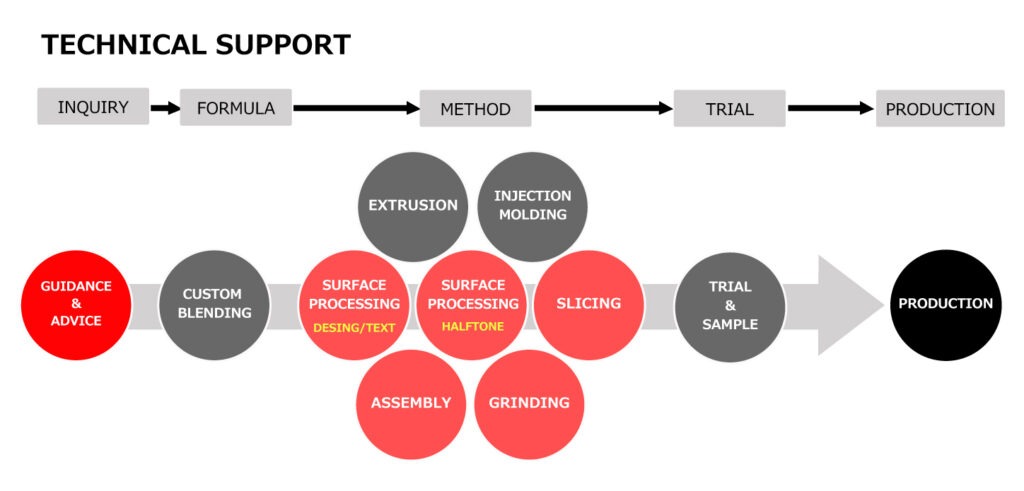
Our goal is to be a valuable partner to our customers and to help bring their ideas into real products. Our technical support team is made up of engineers and skilled production staff with expertise in blending materials, component design, moulding and secondary processes for porous plastics. They work with you from the first drawing through to mass production.
What is open-cell porous plastic?
Blending
Custom Blending
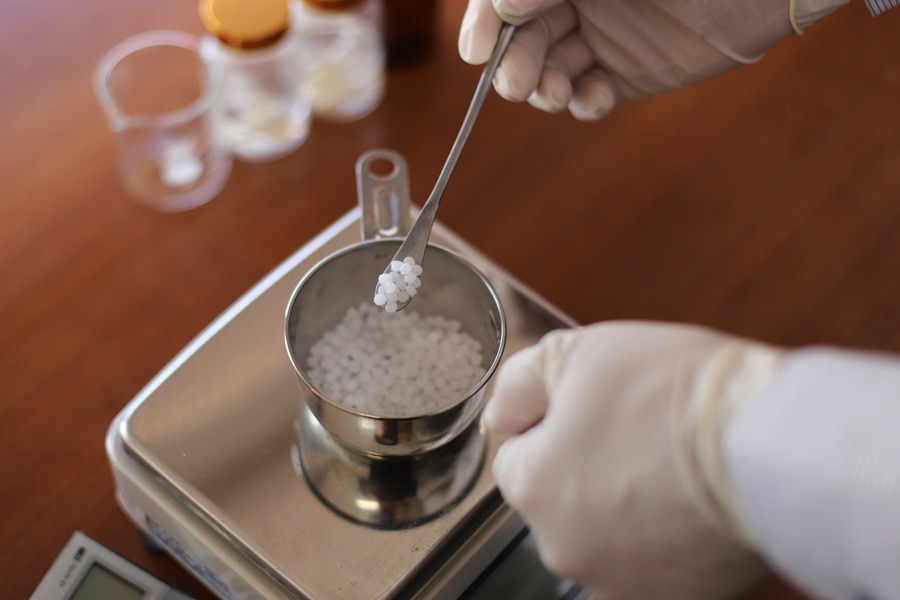
Selecting raw materials and the best combination of blending. If necessary, basic research and trial will be carried out.
Standard polymer: LDPE
Possible polymer: HDPE, PP
Moulding
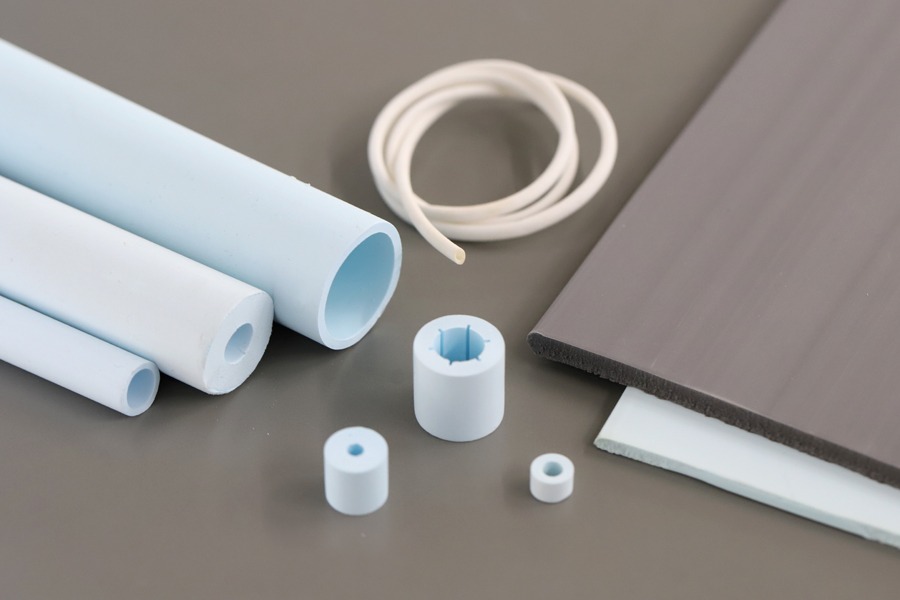
Extrusion moulding (simple shapes)
Extrusion moulding produces a long continuous shape by extruding plastic material through a heated mould. It is suitable for moulding items with the same cross-sectional shape.
Shapes: sheets, rods, pipes
Applications: Flash foam (stamp material), Rolling stamp parts, Special oil applicators
Extrusion moulding (complex shapes)
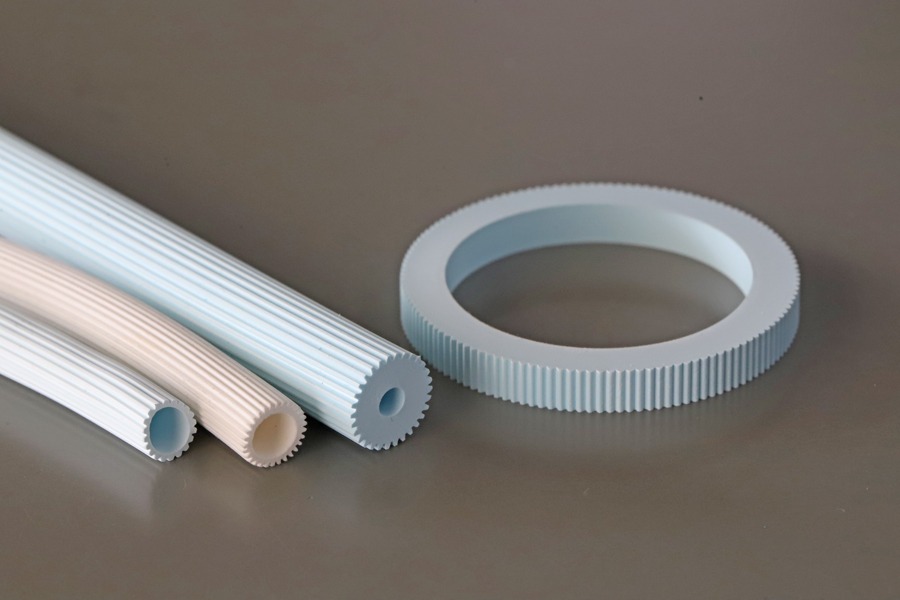
Sheets and/or pipes with special surface geometries or continuous inner hollows can be produced also by extruder using special dies/moulds.
Shapes: sheets, rods, pipes with special surface geometries or inner hollows
Applications: Small amount oil applicator, Special absorbent
Extrusion moulding (double layer)
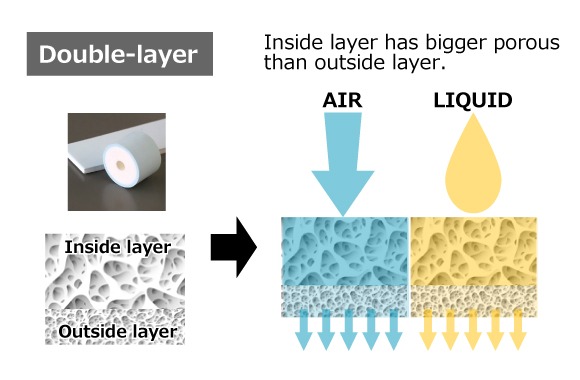
Double-layer extrusion is an advanced manufacturing method that involves the simultaneous extrusion of porous materials with two different sized pores. Unique properties can be achieved, such as larger pores in the inner layer to form a reservoir layer for solutions or special filter functions.
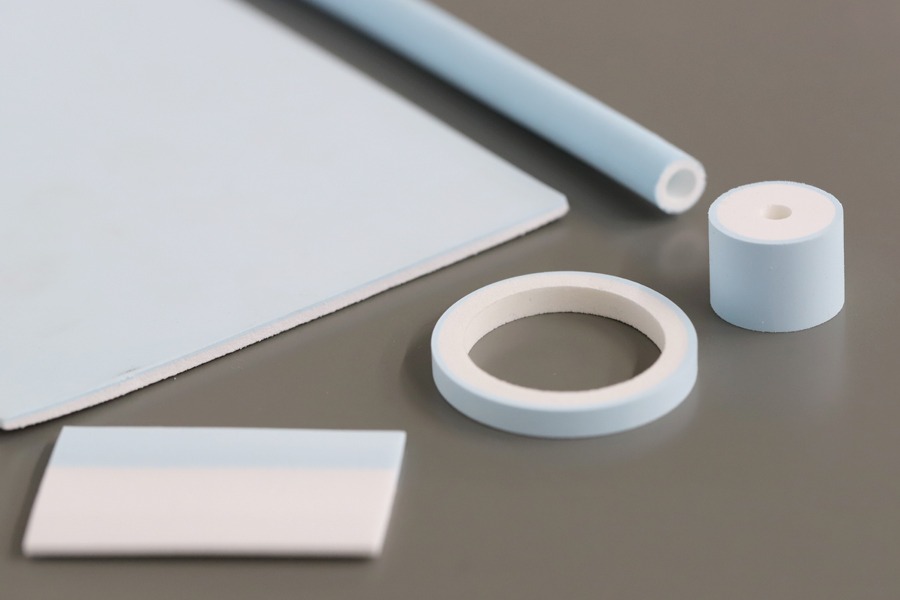
Shapes: Sheets, Rods, Pipes
Applications: Special ink applicator, Special oil applicator, Rolling stamp parts
Injection moulding
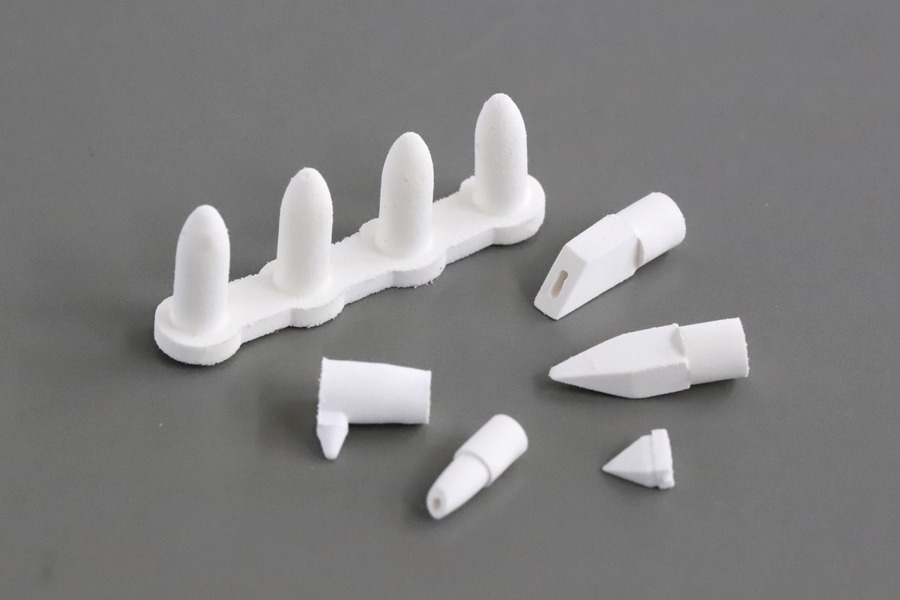
Injection moulding is a method whereby heated, molten plastic material is injected into a mould, cooled and solidified, and moulded by injection moulding machine(s). It is suitable for the mass production of complex, precisely shaped products.
Shapes: various shapes including complex shapes
Applications: Porous nibs for markers, Porous components of applicators, Marking devices and Absorbents
Secondary processes / optional process
Assembly
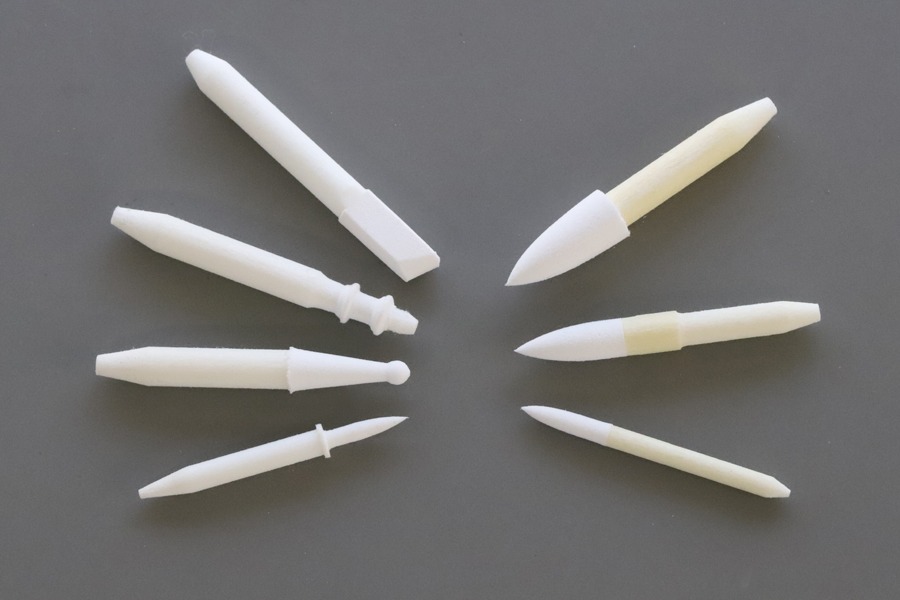
Moulded porous plastics can be assembled to different component for example a fiber ink feeder to provide strong capillary force and ink flow.
Shapes: Various shapes including complex shapes
Applications: Porous nibs for markers, Porous components of applicators, Marking tips.
Grinding
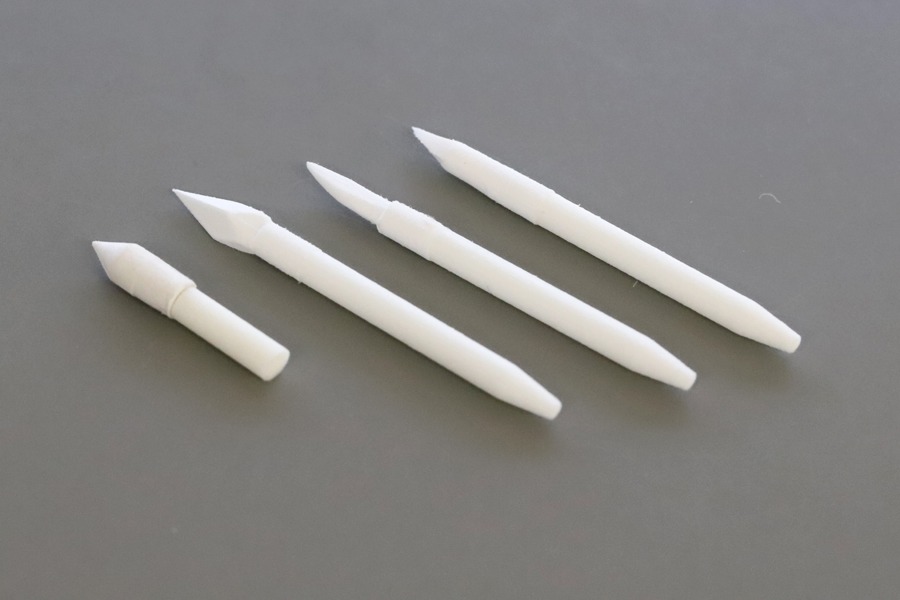
Grinding is a secondary process by grinding machine to grind the surface of the porous plastic to finish its shape.
Shapes: Various shapes including complex shapes
Applications: Porous nibs for markers, Porous components of applicators, Marking tips.
Surface processing for low-volume applying and small venting
This processing method is for sealing pores with a fine pattern on requested part of the surface of porous foams. Size approx. 0.1 mm of dots can be processed. The sealed parts will be blocked to prevent the passage of liquid to give a function of low volume of liquid applying or air venting.
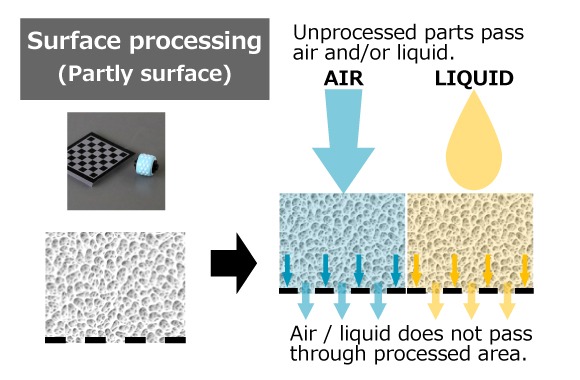
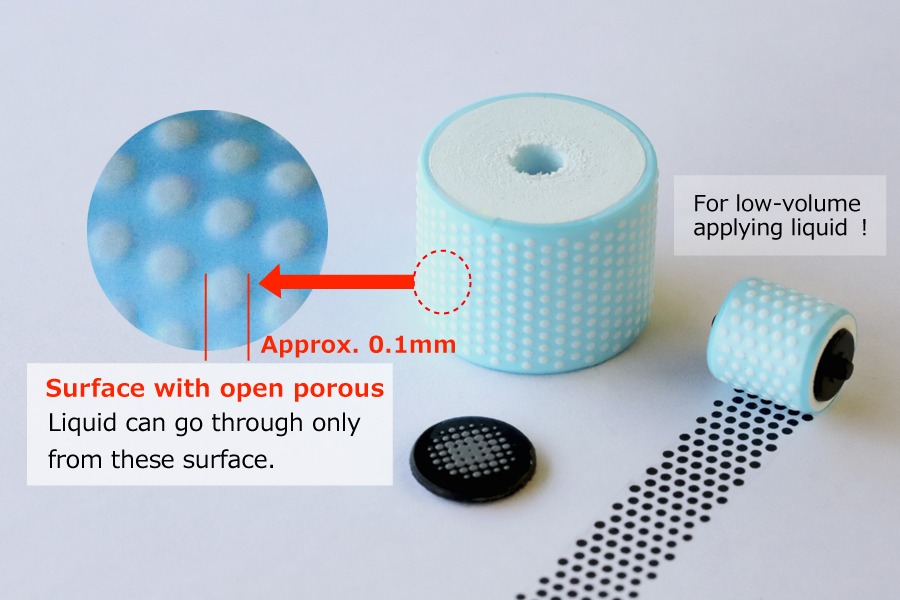
Applications: Special porous components for the application of low-volume inks and solutions or small venting, Special stamps with high resolution design, Special applicator
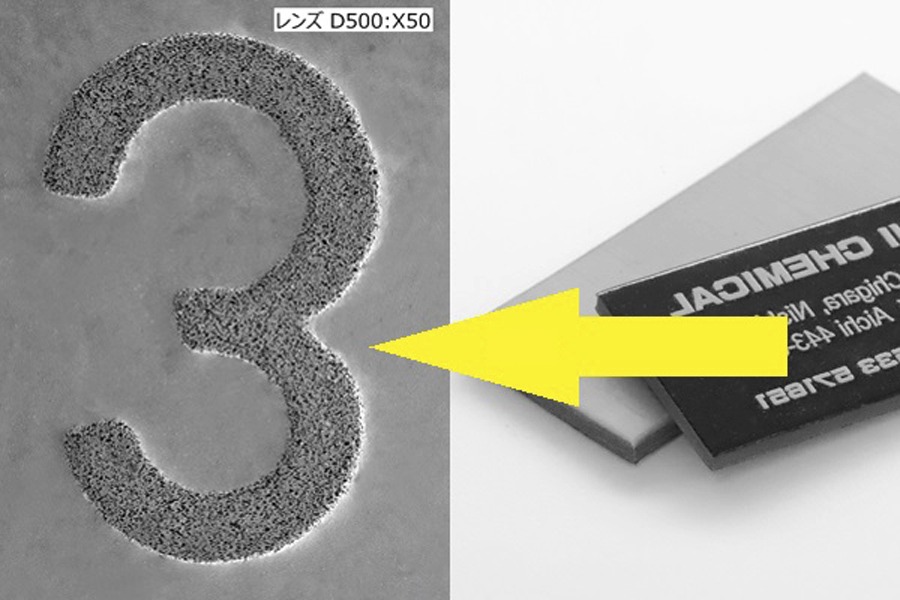
Surface processing (text and design)
This processing method is for sealing designs and/or texts on required surface of porous plastic. The pores in the processed area will be sealed, leaving the inner layer with its continuous porous structure. No liquid/ink can go flow through the sealed areas on the surface.
Applications: Stamp material, Porous components of marking device
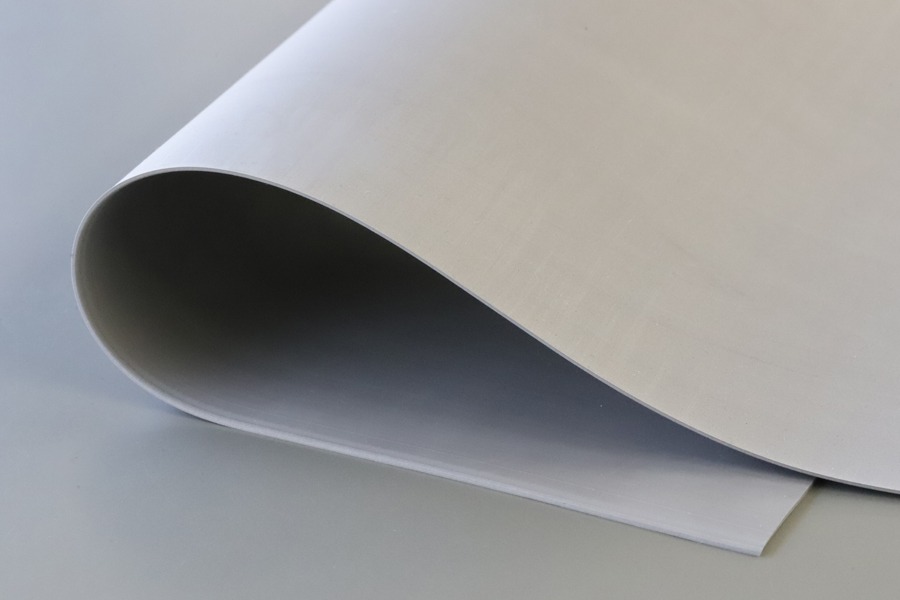
Slicing
This processing method is for slicing porous plastic sheet using a high-precision slicing machine.
Shapes: Sheet
Applications: Porous plastic sheet
| Need any help? Please contact us. |
If you have any questions or would like to receive more detailed information or samples on Yamahachi Chemical, please complete a “contact form” and a company representative will contact you.